Kids learn a lot when they play. Through play, they build basic movement skills and also learn how to be with other kids. Still, the right kind of play is not the same for every age. A toddler may love one type of activity, while a ten-year-old may want something else. As per Indoor Play Equipment Manufacturers in Ahmedabad, this is why indoor play equipment should match a child’s stage of growth. It can be for a mall, a school, a daycare, or a family fun center.
At Super Amusement Games, we focus on age-fit play designs. We create and build play structures for different developmental phases. Good indoor equipment should not only look fun. It should also help kids reach key physical, thinking, and feeling goals for their current age.
Here is how indoor play can support children in different ways. It also covers what to consider when you choose equipment for each age group.
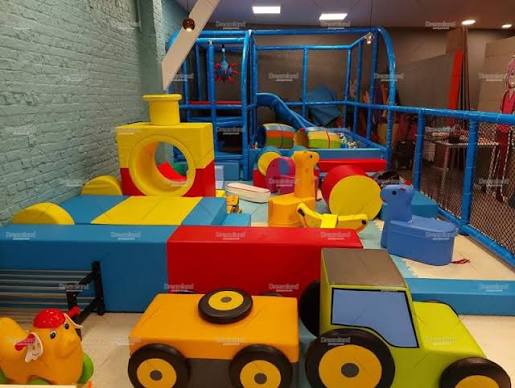
During this period, young children have not yet developed skills of walking, climbing, and coordination. Therefore, equipment made for toddlers should be low to the floor, have soft surface, and be void of any dangerous elements.
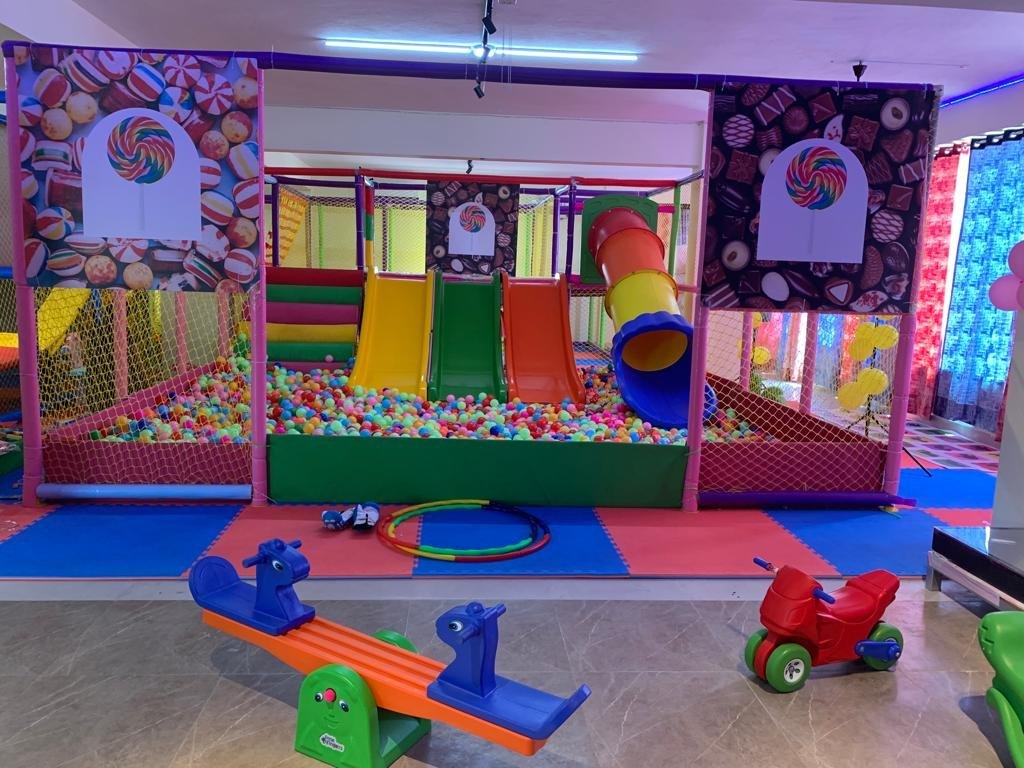
The Perfect solution to this problem is creating a Soft Play Area. It includes padded ball pits, low tunnels, gentle ramps, and soft foam blocks. They help toddlers move around and develop balance, spatial sense, and confidence in themselves as well as their bodies. The use of these soft elements makes accidents less harmful than those on traditional hard playgrounds.
should be noted that toddlers also begin to develop their social skills, such as turn-taking or parallel play. This type of environment allows them to practice socializing in a safe place without additional pressure.
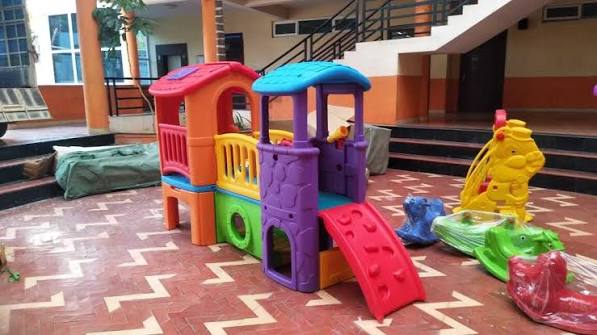
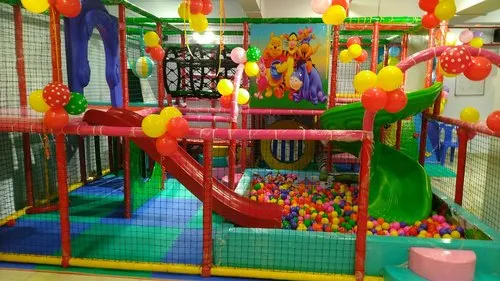
Children in the preschool age bracket are now ready for slightly more difficult exercises. The gross motor skills of preschoolers are much improved, and their creativity is running rampant. This is where soft play structures complete with slides, climbing nets, little obstacle courses, and interactive play panels come in handy.
The equipment in this age group tends to be quite imaginative in nature – think play kitchens, tunnels resembling tree houses, and creative climbing apparatuses – because such equipment not only fosters physical coordination but also promotes creative thinking. In addition, equipment that helps preschoolers solve problems, like mazes and climbing sequences, would help promote the development of decision-making abilities.
At this point, social skills of children have improved considerably; this is when preschoolers start playing cooperatively, share equipment, and sometimes even create their own games.
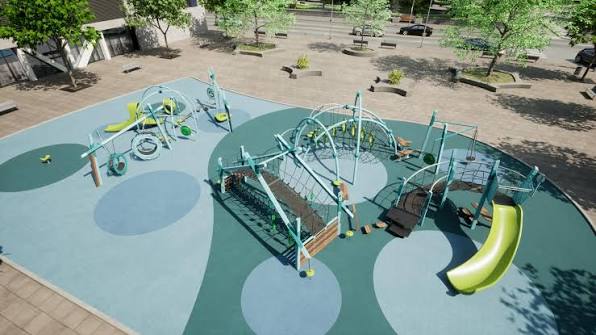
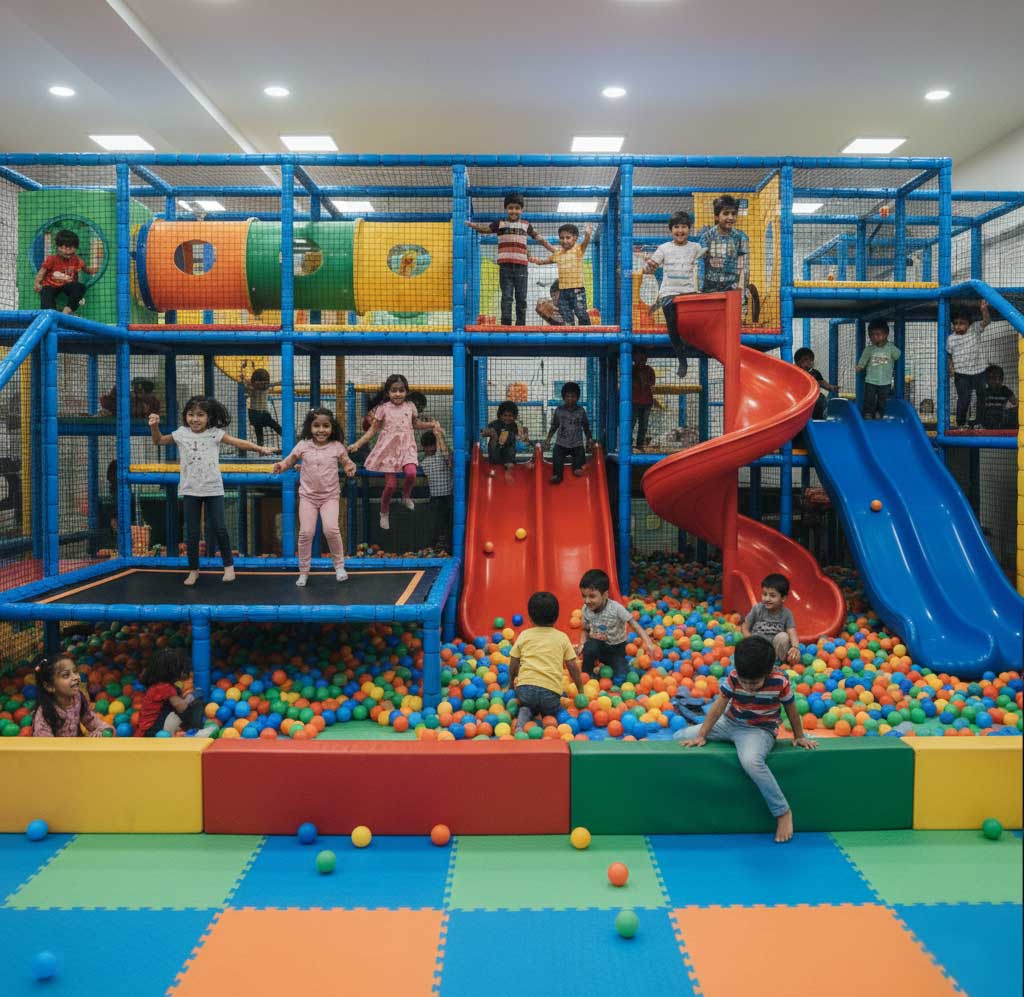
By the time the children reach the early school age, the need for more challenges physically and socially arises. The toys that will be used here are multi-level playgrounds, rope courses, bigger slides, and other activities that involve coordination among several children.
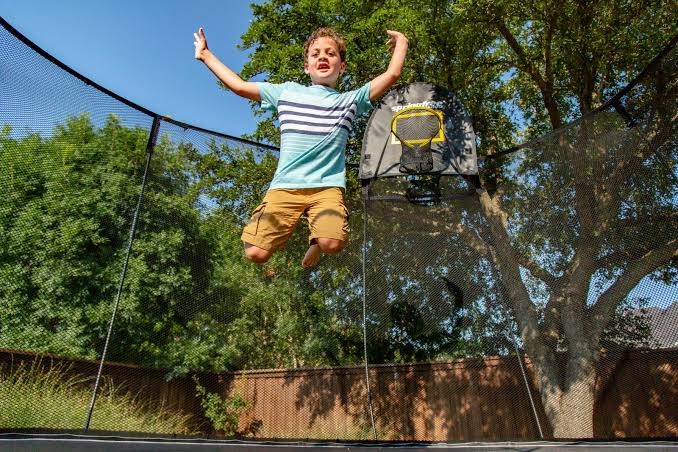
At this age, there comes the value of structured play such as a basket game, interactive games based on touching, and the area with trampolines, since this will teach kids how to use their strengths and skills in coordination with others and following the rules.
The indoor activity at this age also helps in the regulation of emotions, because the exercise allows getting rid of extra energy.
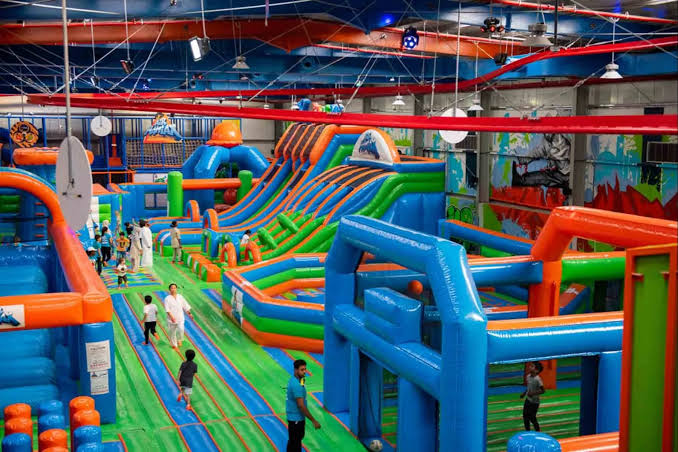
Tweens generally seek greater independence and would like to be tested with something challenging and competitive. Therefore, equipment for tweens should be focused on skill-based activities and competitiveness. Such items as climbing walls, obstacle lanes with time races, interactive gaming zones, and other equipment requiring precision rather than active movement can be used.
At this age, children gain confidence and observe how good they are in front of others. At the same time, social acceptance plays an important role for pre-teens. Thus, facilities that give an opportunity to demonstrate skills, compete gently, and think for themselves may contribute to the development of both physical skills and self-esteem.
Selecting appropriate equipment for the particular age range is not only about entertainment. The choice will influence the safety, engagement period, and the educational value of the activity. If the equipment is difficult, it may demotivate kids or become hazardous. If the equipment is too easy, it will lose its appeal quickly. That is why cooperation with experienced Play Area Equipment Manufacturers in Ahmedabadwho have deep knowledge of children's development, safety regulations, and proper space planning becomes very important, especially when designing indoor facilities.
Indoor play does not work as one general plan for everyone. The best spaces use several areas and different types of equipment. That way, toddlers, preschoolers, school-age kids, and pre-teens all have options in the same building. A small soft play corner can work, or you can build a larger entertainment setup. Either way, age-appropriate design is what makes a play space feel useful for growth.
Soft Play Areas are mostly created for toddlers and preschoolers (ages 1-5) because of the cushioning of their floors, low structures, and soft obstacles that allow safe discovery and development of motor skills.
Look for those that have several stations: a soft play area for younger children, climbing and obstacle equipment for school children, and skill games for teenagers.
Good manufacturers of indoor play equipment create products with adjustable difficulty levels as well as safe environments such as a padded floor, round edges, and safe railings; thus, this equipment is good for children of all physical abilities.
Inspections should be carried out at least once a month to see whether there is any wear on the padding, stability, and functioning of moving parts. Replacement times for indoor play equipment depend on usage intensity but are usually around 5-10 years.